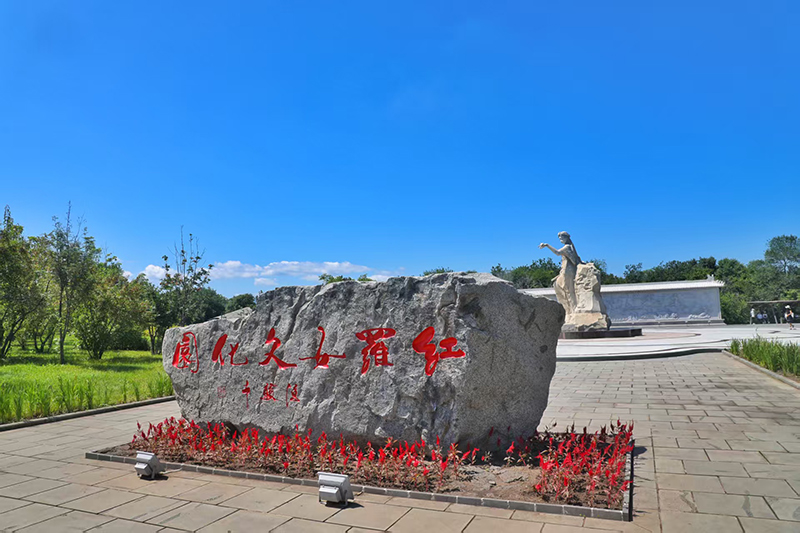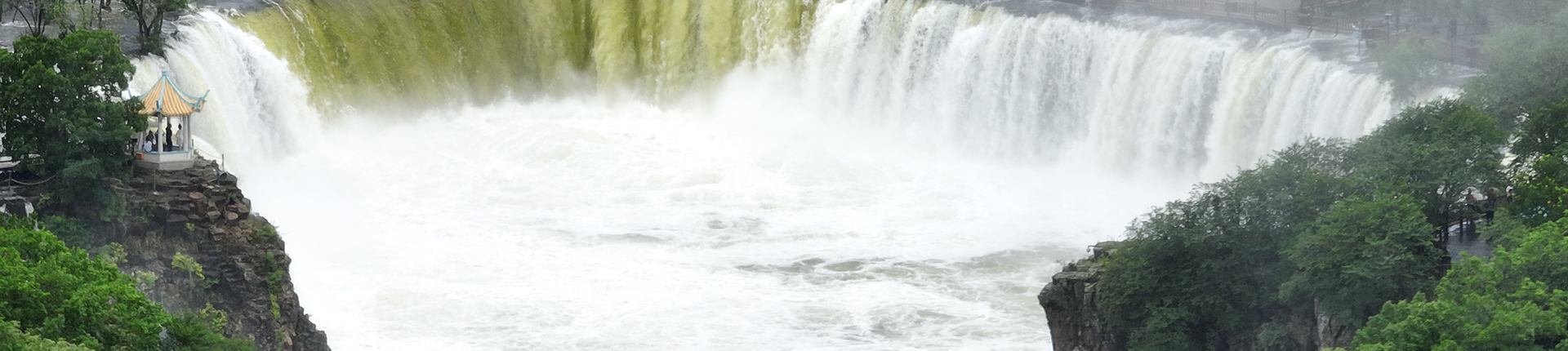
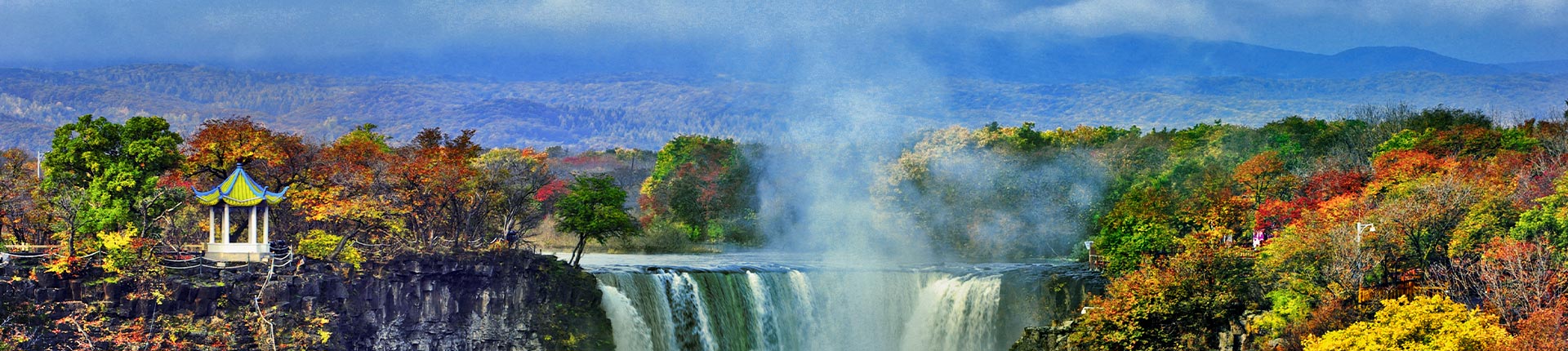


The Hongluonv Culture Square began its planning and feasibility studies in 2004, designed and constructed by the Environmental Art Corporation of Lu Xun Academy of Fine Arts in Shenyang, and was fully completed in 2006. The Hongluonv Culture Square is located in the Waterfall Scenic Area, north of the Guanpu Bridge, covering an area of 23,000 square meters. Its overarching concept is to showcase the profound cultural heritage of the three components of Jingpohu Lake Scenic Area—the Hundred-Mile Long Lake Scenic Area, the Volcanic Geological Scenic Area, and the Ancient Bohai Kingdom Scenic Area—through sculptures.
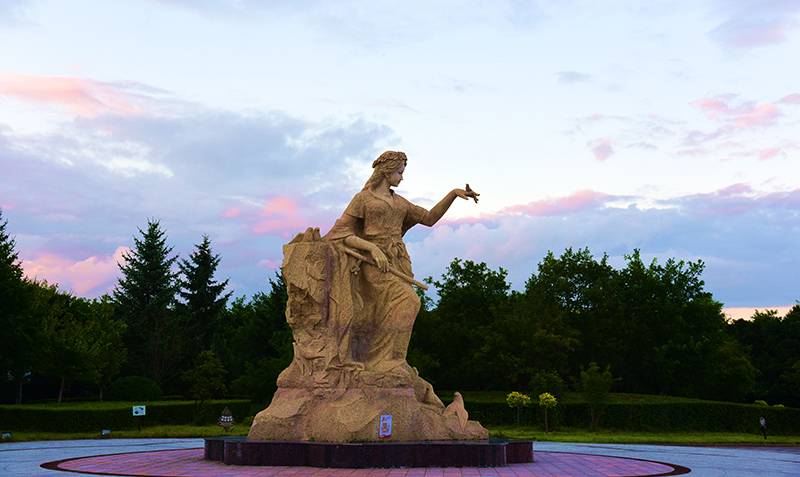
The Cultural Park is divided into two sections, with the main park showcasing the traditional customs and culture of Jingpohu. The central sculptures "The Lady of Hongluo" and "The Seven Fairy Maidens Descending to Jingpohu Lake on a Moonlit Night" are inspired by beautiful legends passed down around Jingpohu. "Marriage by Capture" originates from an ancient wedding custom story of the Mohe tribe by Jingpohu. "The Tale of the Mandarin Duck Stones" is derived from a mythical legend of the volcanic crater forest. The name of the Hongluonv Culture Square was inscribed by Mr. Feng Jicai, the chairman of the China Folk Literature and Art Association and a renowned writer.
(Dear friends, the Hongluonü Cultural Park went through site‑selection and feasibility studies starting in 2004. Designed and constructed by the Environmental Art General Company of Lu‑Xun Academy of Fine Arts in Shenyang, the whole project was fully completed in 2006.
Located in the waterfall scenic area on the north side of the Waterfall‑Viewing Bridge, Hongluonü Cultural Park covers an area of 23,000 square metres. Its overall concept is to present, through sculptures, the profound cultural heritage accumulated over thousands of years from the three components of Jingpohu Scenic Area — the Hundred‑Li Long Lake Scenic Zone, the Volcanic Geology Scenic Zone and the Ancient Bohai Kingdom Scenic Zone.
Dear friends, the cultural park falls into two sections. The main park showcases the traditional folk culture of Jingpohu. Its major sculptures include Hongluonü (Lady Red Silk), The Magic Mirror for Calming Waves, and Seven Fairies Descend to Jingpohu under the Moonlit Night, all inspired by beautiful legends passed down around Jingpohu. The Bride‑Snatching Ritual derives from the ancient Mohe wedding customs along the lakeshore, while The Tale of Mandarin‑Duck Stones originates from myths of the Crater Forest. The secondary park features customs and local life of the ancient Bohai Kingdom.
The name‑plate of Hongluonü Cultural Park was inscribed by Feng Jicai, renowned writer and former Chairman of China Folk Literature and Art Association. Now let me give you a detailed introduction.
Seven Fairies Descend to Jingpohu under the Moonlit Night
This white‑marble sculpture stands 10 metres high and weighs more than 20 tons. Inspired by the folk tale of “Seven Fairies Descending to the Mortal World”, the piece features exquisite craftsmanship and delicate techniques. It vividly portrays the fairies’ beauty, wit and graceful postures, fully presenting their dazzling charm and leaving visitors with rich imagination and lasting aftertaste.
Hongluonü (Lady Red Silk)
Carved from granite, this sculpture is 8 metres tall and weighs over 30 tons. As you may know, the legend of Hongluonü has enjoyed wide circulation around Jingpohu in many versions — depicting her as a fisher‑girl, a celestial fairy or a princess. After repeated research by folklorists, the figure is finalised as a fisher‑girl. Combining romantic and realistic sculpting approaches, the work brings out her breathtaking beauty as well as her virtues of diligence and integrity, giving full expression to her personal charisma and leaving ample room for imagination.
The Magic Mirror for Calming Waves
This large‑scale bronze sculpture is 6 metres high and weighs more than one tonne. Its concept comes from the myth that the supreme magic mirror of the Queen Mother of the West fell to earth and formed Jingpohu (I have told you this legend earlier). The sculpture imitates bronze unearthed from relics of the ancient Bohai Kingdom. Bronze mirrors have existed since ancient times, ranging in size from several centimetres to dozens of centimetres. As artefacts, they reflect the rhythm of history across changing eras. This mirror, however, is a 21st‑century creation that surpasses ancient counterparts and is reputed as “the No. One Mirror under Heaven”. It embodies fond remembrance of distant history, respect for time‑honoured traditional culture, and inheritance of superb casting art.)